Short answer: a professionally installed epoxy garage floor can last up to 20 years. A DIY kit from the hardware store often lasts one to three. The gap between those two numbers has very little to do with the epoxy itself and almost everything to do with what happens before it goes down.
What decides how long it lasts
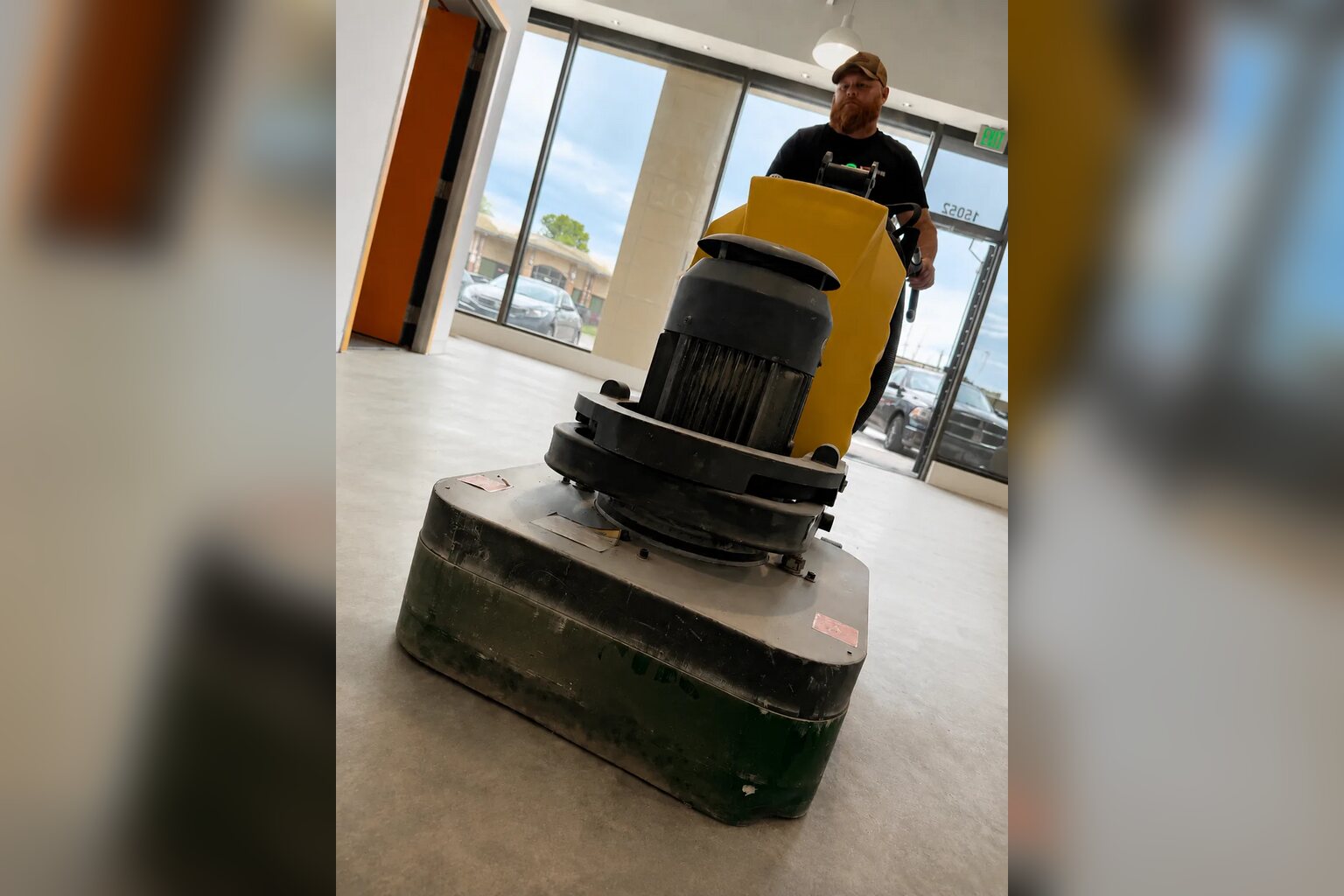
Surface prep. Epoxy only holds as well as it bonds to the concrete. A slab that’s been ground and profiled gives the coating something to grip. A slab that’s only been washed, or etched with acid from a kit, often doesn’t, and that’s when you see peeling a year or two later. At Asterisk, every floor is ground, repaired and properly profiled before any coating goes down. It’s the most important step in the job and the one that’s easiest to skip.
Cracks and damage underneath. Coating over a crack doesn’t fix it. The crack keeps moving and eventually shows through. Cracks and spalled spots should be repaired as part of prep, so the coating goes onto a sound surface.
Moisture in the slab. Basements and some garages push moisture up through the concrete, and that pressure can lift a coating from underneath. Testing for moisture first, and adding a vapor barrier when it’s needed, keeps that from happening.
The coating system. Thin, water-based coatings are the ones that wear out in a few years. A professional system builds a thicker floor in layers: an epoxy base coat that bonds to the concrete, often with decorative flake broadcast into it, and a polyaspartic or polyurea topcoat over the top. The topcoat adds scratch resistance and UV stability, so the floor doesn’t yellow where the sun hits it. Most of our garage floors use that combination.
What wears a garage floor out in Kansas City
Winter salt and brine. From December to March, cars bring road salt and melted brine into the garage every day. On bare concrete that brine soaks into the surface, and repeated freezing and thawing breaks the top layer apart (that’s what pitting and flaking concrete usually is). A sealed, coated floor keeps the brine on top, where you can squeegee or rinse it out the door.
Hot tires. Tires coming off a hot summer road can soften and lift a cheap coating, leaving it stuck to the tire. A properly bonded professional system with the right topcoat handles hot tires and daily parking without peeling.
Heavy use. Floor jacks, rolling toolboxes and dropped tools are hard on any floor. A thicker system with a hard topcoat takes that kind of use much better than a single thin coat.
How to make it last
- Give it time to cure. We recommend waiting two to three days before driving on a new floor. The longer you can wait before parking on it, the better.
- Rinse off winter salt. A quick squeegee or rinse after snowy days keeps brine from sitting on the floor.
- Use mats under kickstands and jack stands. Small, hard points concentrate a lot of weight.
- Clean with a soft mop or broom and mild soap. Skip harsh solvents.
- Don’t drag heavy metal across it. Lift or roll it instead.
Signs a floor was coated without proper prep
If you’re looking at a house with an epoxy floor already in it, or wondering about your own, watch for peeling where the tires park, bubbles or blisters, chips that show bare gray concrete underneath, and cracks that have come back through the coating. Those usually trace back to prep, not the epoxy.
Thinking about a coated floor?
Asterisk LLC is a family-owned crew serving the Kansas City metro on both sides of the state line. We grind, repair and test every floor before we coat it, and we’ll tell you straight what makes sense for your space. See our epoxy flooring work, browse real before-and-after photos, or get a free estimate. Text is the fastest way to reach us, and a photo of the space helps.